





Put simply, mitigation is the work of holding damage to its current size. It is not the repair. Think of it as all the protective work that comes first, aimed at saving what remains sound. Our Lynn crew mitigates a loss in four moves: control the source, extract the water, contain the wet zone and stabilize the building. When this stage goes right, there is less to rebuild afterward, occasionally nothing at all.
The words mitigation and restoration get used as if they were interchangeable. Each is its own phase of the job. During mitigation, the urgent part, the loss is halted, its spread is limited and the home is made stable. Once the structure tests dry, restoration takes over and covers repairing or rebuilding finishes, drywall and floors that were damaged. Because an insurer lists each one separately as well, knowing where you stand in the process is helpful.
Four tasks make up most mitigation visits. One: control the source and cut off any new water. Extraction, so standing water is gone. Containment, using plastic barriers and controlled airflow so moisture and contaminants stay out of clean rooms. Stabilization, which means removing materials that cannot be saved, treating surfaces with antimicrobial, and setting air movers and dehumidifiers. We also protect furniture and belongings by moving or blocking them up.
Our Water Damage Mitigation Process
Our systematic approach delivers quality results on every project. Here's how we handle water damage mitigation from start to finish:
Stop the Water Source
Depending on the cause, our crew closes the supply, caps a failed line, or covers the entry point with tarps and boards. When the permanent repair calls for a roofer or plumber, we help schedule it.
Remove Standing Water
Standing water is removed with pumps and extractors, and carpet and pad are checked. Getting bulk water out quickly does more to limit damage than any amount of drying equipment alone.
Contain Wet Areas
We isolate the affected rooms from the rest through airflow control and plastic barriers. As a result, contaminants, dust and humid air stay put instead of spreading around the house mid-job.
Stabilize and Dry
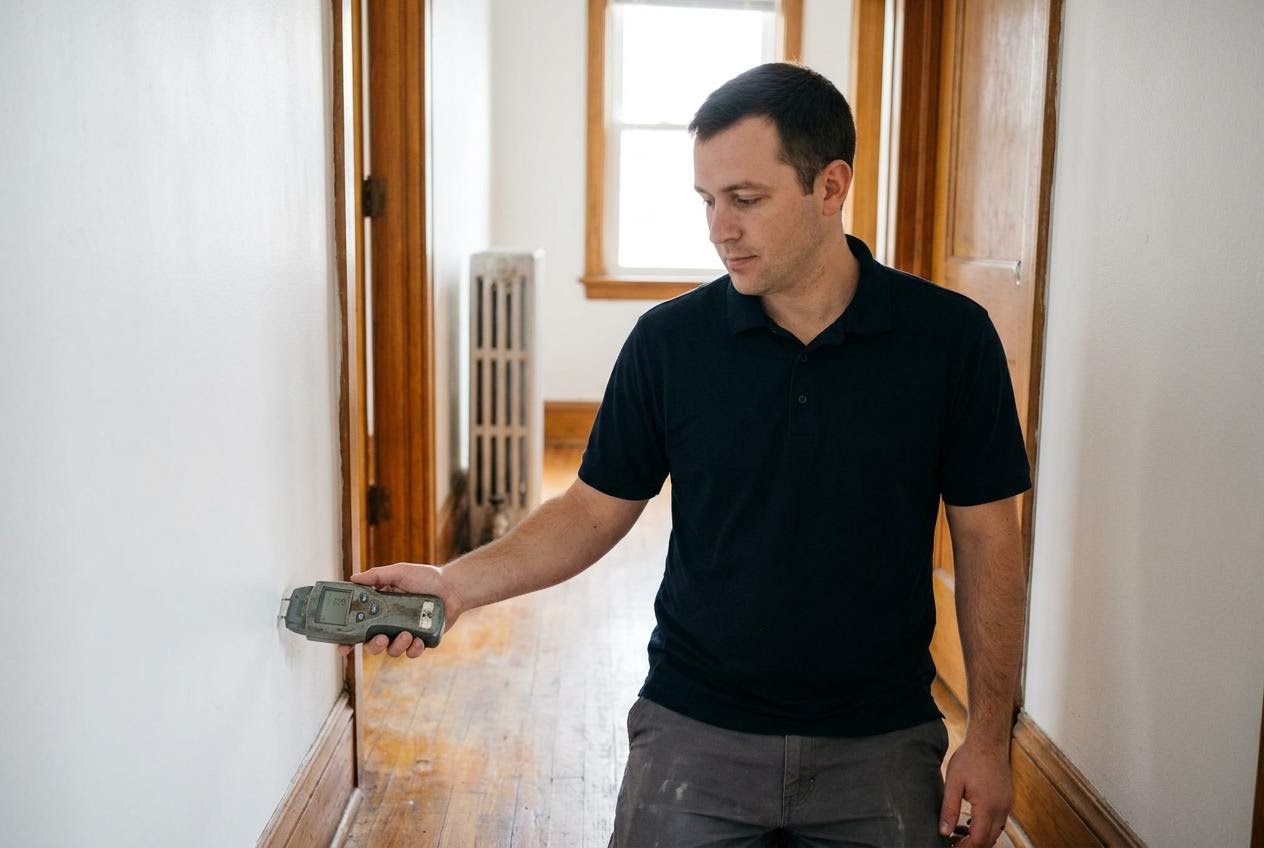
We remove what cannot be saved, treat surfaces with antimicrobial, and place dehumidifiers and air movers. Moisture readings are recorded on every visit until the structure can be repaired, typically in 3 to 5 days.
Need Help With Water Damage Mitigation?
Call Lynn Restoration for fast, reliable service.
Call (608) 305-8466 NowWater Damage Mitigation Prevention Tips
Taking preventive measures can help you avoid costly water damage issues down the road. Here are our expert recommendations:
- Find the main water valve and make sure it has not seized.
- Never switch the furnace fully off in freezing weather, since pipes can freeze and split.
- Keep gutters clear and downspouts pointed away from the foundation of the house.
- Braided steel supply lines should take the place of rubber ones on the washing machine about every five years.
- A monthly look around toilets and inside sink cabinets catches drips, staining and spongy flooring.
- Roof penetrations, door frames and window edges should be sealed ahead of the next big storm.
Water Damage Mitigation: DIY or Professional?
While some minor restoration tasks can be handled by handy homeowners, most water damage work requires professional expertise, specialized equipment, and proper safety training. Consider the following comparison:
| Factor | DIY Approach | Professional Service |
|---|---|---|
| Water removal | Wet vac and a stack of towels | Extraction units and pumps, fast |
| Material decisions | Hoping wet materials recover | Readings decide what stays or goes |
| Knowing when it is dry | Touch test on the surface | Moisture tracked until numbers are normal |
| Isolating wet rooms | Closed doors and towels | Plastic containment with managed airflow |
| Stopping the source | Turn it off and assume it held | Source confirmed, isolated and documented |
Warning Signs for Water Damage Mitigation
Recognizing the warning signs early can save you time, money, and prevent significant damage to your property. Watch for these telltale signs that professional help is needed:
- The house feels muggy and window glass is wet with condensation since the leak.
- Along the floor, water is travelling out of one room and into another.
- Carpet squishes underfoot, or the pad beneath it is saturated.
- The pipe was repaired by a plumber, and the water it released is still there.
- Since the leak you have noticed puffed-up baseboards or gaps opening behind them.
- One day on, damp materials are beginning to smell musty.
- A leak has been stopped but floors, walls or cabinets are still wet.
Act Before It Gets Worse
What seems like a minor issue today can turn into a major expense tomorrow. Call Lynn Restoration at (608) 305-8466 at the first sign of trouble.
Want a Professional Opinion?
We provide honest advice and free estimates on all water damage mitigation work.
Get Help: (608) 305-8466The Benefits of Professional Water Damage Mitigation
Doing mitigation well means making a string of quick judgment calls. Can this section of drywall dry in place, or does it need cutting out? Is the water Category 1, 2 or 3, and has it changed since the leak began? Is removing the cabinet toe kick necessary? We answer those questions with training and moisture readings rather than by the look or feel of a surface.
Your insurance claim benefits from proper mitigation too. Most policies require the owner to take reasonable steps to prevent further damage, and insurers want proof it was done. On arrival we take photos, then log moisture readings every day and itemize whatever is removed. That file shows what the water did and what was done about it. The repair contractor gets a clear place to start as well, without hidden moisture waiting behind fresh drywall.
Frequently Asked Questions About Water Damage Mitigation
Get Water Damage Mitigation Help Today
The sooner you call, the sooner we can help. Reach Lynn Restoration for same-day service.
Get Help: (608) 305-8466